




 813.727.9909

Should You Paint Before or After Hurricane Season? A Tampa Bay Timing Guide
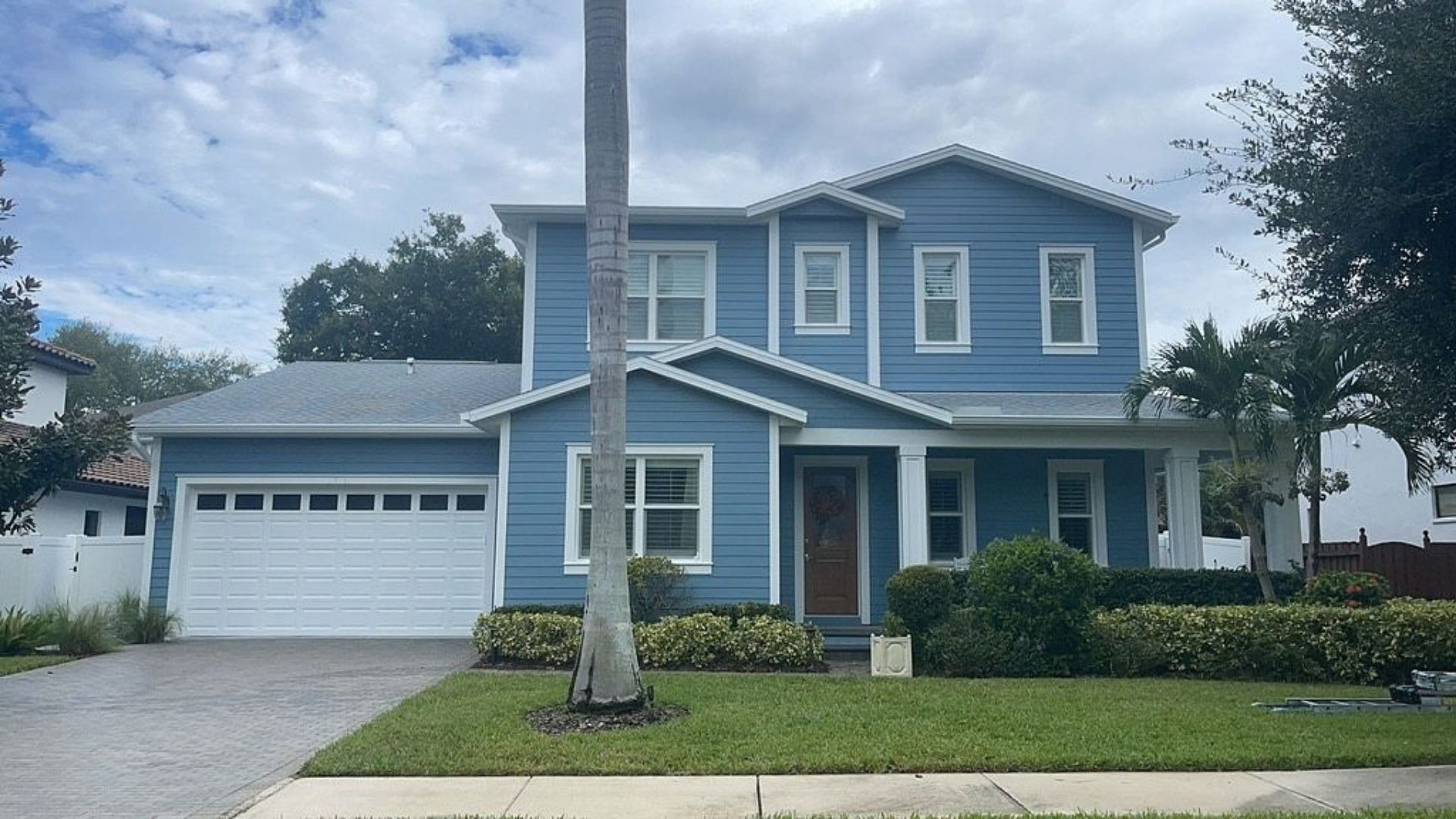
One of our crews recently finished painting the exterior of a Tampa Bay home and packed up for the day. About 30 minutes later, the sky opened up.
The homeowner called, worried about the fresh paint. Would the rain damage it? Would we have to paint part of the house again?
It’s a fair question around here. Summer rain is simply part of painting houses in Florida. Sometimes you can see it coming, and other times a storm pops up out of nowhere. We can’t control the weather, but we can prepare for it and know what to do when conditions change.
On this particular house, we used Sherwin-Williams Latitude, the exterior paint we use for most of our exterior projects. Once the rain passed, we inspected the work, addressed anything the weather had affected, and moved on.
So, do you need to wait until hurricane season is over to paint your house? Usually, no. We paint Tampa Bay homes year-round. What matters is your home’s condition, the weather we’re working with, and a crew that knows how to handle both.
Hurricane Season and Rainy Season Are Not the Same Thing
If you’re trying to decide when to paint your Tampa home, it’s easy to look at hurricane season and think, “Maybe I should just wait until December.” The Atlantic hurricane season runs from June 1 through November 30, but most summer painting decisions have more to do with Tampa Bay’s everyday rainy-season weather.
The National Weather Service puts our local rainy season at roughly late May through early October. That’s the stretch when afternoon thunderstorms and high humidity become part of the routine. And anyone who’s lived here for a summer knows how local those storms can be.
Hurricane season matters when an actual tropical system threatens the area. On an ordinary July or August workday, we’re much more likely to be dealing with heat, humidity, and a thunderstorm building somewhere on the radar.
Do You Need to Wait Until the Rainy Season Is Over?
We paint exteriors throughout the Tampa Bay summer. If you’ve got peeling paint, cracked stucco, or exposed wood, we’d rather look at the house now than have you sit on it for months. The same goes if you’re moving in and want your color picked before you unpack, or getting ready to sell and need the house looking right for an inspection.
If your timing is wide open, the drier months make scheduling easier. Fewer afternoon storms mean fewer schedule changes. Summer work isn’t off the table, though. We just build in more flexibility, because some days the weather gets the final say.
What Rainy-Season Conditions Actually Change About Exterior Painting
We check the forecast, of course. But a percentage chance of rain only tells us so much. We also care about temperature, direct sun, and humidity. Wind matters too, and so does what’s actually happening at the house itself.
Morning dew is a good example. You can wake up to a beautiful blue sky and still have moisture sitting on an exterior surface from overnight. Sometimes the right move is just to give the house a little more time before the crew starts painting.
Heat and humidity create their own problems. High humidity can slow drying, while strong sun and very hot surfaces can make paint dry too quickly. Those conditions can change from one side of a house to another. That’s why the crew has to pay attention to the surface they’re actually painting, not just the temperature showing on a phone.
How We Decide Whether It’s a Good Day to Paint
There are mornings when the skies are already dark and gray and we know better than to push it. We may move that crew to an interior job and come back to the exterior when the weather gives us a better window.
Every Presto crew has a lead painter working with a project manager. They talk through the conditions, and the project manager makes the final weather call and communicates any schedule change to the homeowner.
That setup matters because we’re working across Hillsborough, Pinellas, and Pasco counties. The weather can be completely different from one job to the next. We’ve literally seen rain on one side of a street while the other side stayed dry.
So the radar stays in the picture throughout the day. If a storm starts moving toward a job, the project manager and crew can make the call early enough to stop painting, secure the job, and give the fresh coating time to set.
What Happens If Rain Hits After We’ve Painted?
This is where that homeowner story from the beginning comes back in.
If rain reaches a job while we’re still working, we stop. We secure paint, materials, and equipment, and let the weather pass. Then we take another look.
How much rain did the house get? How does the fresh paint look? Are the unpainted areas still too wet to continue? We inspect the work for coverage and any visible problems. If an area needs more prep or another coat, we do that before we call that section finished.
Why the Exterior Paint We Use Matters
For most exterior projects, we use Sherwin-Williams Latitude. One reason we like it in Florida is its early moisture resistance, which Sherwin-Williams says can develop in as little as 30 minutes.
Thirty minutes is useful breathing room when a Florida shower develops faster than expected. We still plan around the forecast and the application conditions for the product. And if rain does hit fresh work, we still inspect it. A good product helps. It doesn’t give us permission to get careless.
If You Notice a Problem Later
Sometimes a problem doesn’t show itself while the crew is still at the house. Presto backs its workmanship with a three-year warranty, so a homeowner who later sees blistering, bubbling, fading, or another concern can call us back out.
We’ll look at what’s happening and figure out where the problem is coming from. If it’s our workmanship, we address it. If the coating itself appears to be involved, we can also bring Sherwin-Williams into the conversation. We’ve worked with them for years, and that relationship gives us another resource when a paint issue needs a closer look.
Painting Before or After a Tropical Storm or Hurricane
A tropical storm or hurricane creates a different situation than the afternoon thunderstorms we deal with all summer. When a system brings hours or even days of heavy rain to Tampa Bay, exterior surfaces can stay wet long after the storm has moved on.
That can be hard to judge just by looking at the house. Stucco and wood may still hold moisture even when the surface looks dry. How quickly a home dries depends on how much rain fell, how long it lasted, and what the weather does afterward. Sun, shade, and humidity can all make a difference, and one side of the house may be ready before another.
Because every storm and every house is different, we don’t use a standard waiting period after a tropical system. We give the house the time it needs and evaluate the surface before we start exterior painting again. Sometimes that’s a fairly quick turnaround. After a long stretch of wind-driven rain and cloudy, humid weather, it may take longer.
If a tropical system affects your project timeline, we’ll keep you updated as conditions change. Once the weather clears, the project manager can evaluate the house and let you know when we’re comfortable getting the crew back to work.
Why Surface Prep Matters as Much as the Paint
Florida weather gets a lot of attention in this conversation, but some of the most important decisions happen before the first coat goes on.
Stucco is common throughout Tampa Bay, and sometimes it gives you a pretty clear sign that something else is going on. Efflorescence is one example. It’s that white, chalky or crystal-like residue you sometimes see on masonry. Moisture moving through the surface can carry salts with it and leave those deposits behind.
We also pay attention to peeling paint, cracked or damaged stucco, deteriorating wood, and areas where a previous coating has failed. Before we cover those spots, we want to understand what caused the problem.
Sometimes it’s obvious. Sometimes it isn’t. If a surface looks questionable or we’ve got an area where a coating has failed before, we may bring in our Sherwin-Williams representative for a second set of eyes.
You can buy excellent exterior paint and still get a poor result if there’s a problem underneath that nobody addressed.
The Best Time of Year to Paint in Tampa Bay
If you have your pick of the calendar, late fall through early spring is usually the easiest stretch for exterior painting in Tampa Bay. The weather is drier, afternoon thunderstorms are less common, and it’s generally easier to string together predictable workdays.
That makes those months attractive for a large exterior project, especially if your main goal is avoiding weather delays. Of course, we still look at the actual conditions on the day we’re painting. Florida can throw you an odd hot, cold, or rainy day in almost any month.
For homeowners deciding between waiting and getting the work done now, we start with the house. Peeling paint or exposed material may give you a reason to move sooner. A house that’s in good shape and a homeowner with a wide-open schedule may have the luxury of choosing a drier part of the year.
Questions to Ask a Painter Before Scheduling During Rainy Season
If you’re getting estimates for a summer exterior project, ask a few questions about weather before you hire anyone. You should get specific answers.
- Who makes the call if the weather changes during the job?
- Do you watch radar throughout the day or only check the morning forecast?
- What exterior paint are you using, and what does the manufacturer require for application?
- What happens if rain hits shortly after you’ve painted?
- How do you decide when a house is ready to paint again after heavy rain?
- Who will contact me if the weather changes the schedule?
Those answers tell you a lot about how the company actually runs its jobs. Tampa Bay weather will always be unpredictable. The process around it shouldn’t be.
Planning an Exterior Paint Project in Tampa Bay?
You don’t have to pick a perfect month. You do need a realistic plan for your house, your timeline and the weather we’re working with.
If you’re thinking about an exterior project, learn more about Presto’s exterior painting services or talk with us about what we’re seeing on your home and how that affects the schedule.
And if you’re still working out the budget, our guide to the cost of painting a house in Tampa walks through the factors that affect pricing.
Frequently Asked Questions About Exterior Painting and Hurricane Season
Q. Can you paint a house during hurricane season in Tampa?
A. Yes. You can paint your home’s exterior throughout Tampa Bay’s hurricane season as long as weather and surface conditions are suitable. Because hurricane season overlaps with Tampa Bay’s rainy season, painters need to watch daily conditions closely and allow flexibility for thunderstorms, humidity, and wet surfaces.
Q. What is the best time of year to paint a house exterior in Tampa?
A. Late fall through early spring is generally the easiest time to schedule exterior painting in Tampa because conditions tend to be drier and afternoon thunderstorms are less frequent. However, you can paint year-round when the weather and home conditions allow.
Q. How long after rain should you wait to paint a house exterior?
A. There isn’t one waiting period that works for every home. The surface needs to be dry enough for the coating being applied, and drying time can vary based on the amount of rain, humidity, sun exposure, and whether the surface is stucco, wood, or another material. After heavy or prolonged rain, the exterior may need additional drying time even when it looks dry.
Q. What happens if it rains on fresh paint?
A. Rain can affect fresh exterior paint if the coating hasn’t had enough time to dry or develop moisture resistance. You may see problems with the finish or coverage, depending on the paint, how recently it was applied, and how much rain fell. Once the rain passes, inspect the painted areas before continuing work.
Q. Should I wait until after hurricane season to paint my house in Florida?
A. Usually, no. Waiting until hurricane season ends would mean postponing exterior painting until December, which most Florida homes don’t need. If the exterior is peeling, cracked, or otherwise needs attention, it may make more sense to evaluate the home now and schedule the work around suitable weather conditions.
Q. How long does exterior paint need to dry before rain?
A. It depends on the paint, weather conditions, and the surface being painted. Some exterior paints are designed to develop moisture resistance quickly. For example, Sherwin-Williams Latitude can develop early moisture resistance in as little as 30 minutes. That doesn’t mean every exterior paint is rain-ready in 30 minutes, so always follow the manufacturer’s application and drying recommendations for the specific product being used.